Highland Park
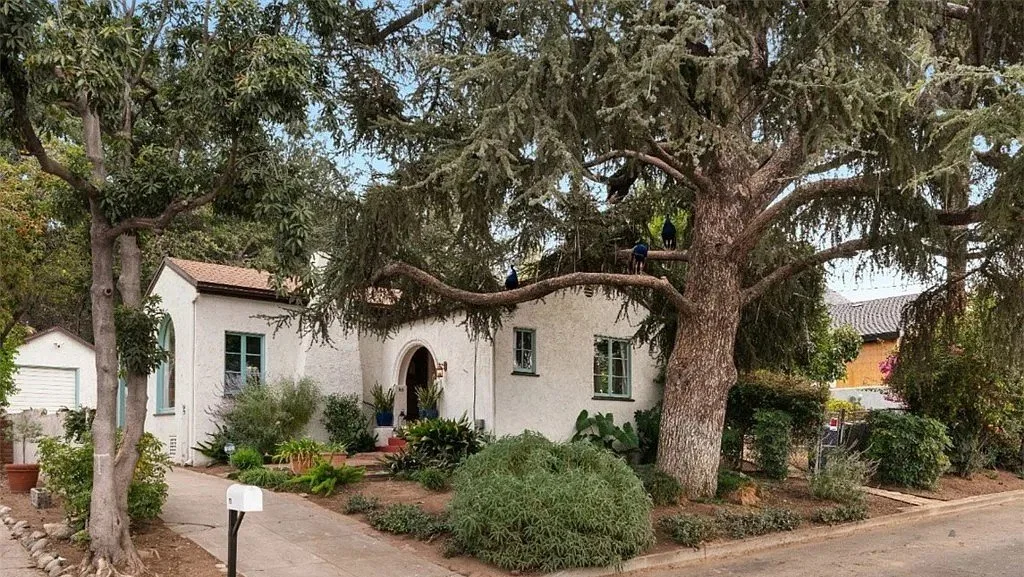
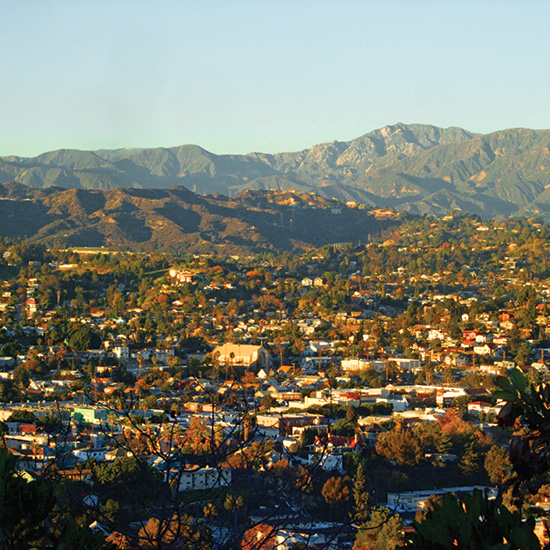
Art and Architecture have flourished in the Highland Park neighborhood since its beginnings in the late 1880s. In 1885 Charles Lummis came to Highland Park and built his home, named “El Alisal,” along the Arroyo Seco. It took 15 years to build the concrete/stone craftsman residence whose name means “Place of the Sycamores.” The home is now a cultural monument and maintained by the Southern California Historical Society. A few decades after this primarily residential area was developed, its business district was established along Figueroa St. Like many other areas of Los Angeles the development in the 50’s and 60’s had an impact on the original architecture of the area. Much effort has gone into restoring the areas commercial and residential architecture. Heritage Square was started by local activists to save some of the Victorian homes that stood to fall victim to development. It has become a museum for the community to remember its history. There are large sprawling parks in the area, including the Arroyo Seco Park and the Ernest E. Debs Regional Park. Before the rise of Southern California housing prices from 2002–2005, many sought out property in Highland Park to own and revitalize Craftsman homes, some which had suffered neglect over the decades. Although this quiet movement continues, Highland Park has not undergone the dramatic changes that Echo Park and Eagle Rock have experienced. The district's proximity to those neighborhoods (coupled with low rents), have made it increasingly popular among "hipsters." Glassell Park and Cypress Park are blend of residential and commercial properties. They were developed along the Pacific Electric Railway and have a long industrial corridor along San Fernando Road, with a low rise commercial district on Eagle Rock Blvd. These neighborhoods have been significantly affected by the Southern California real estate boom that began in the early 2000s. An influx of middle-class families moved to these neighborhoods, attracted by the abundance of Craftsman homes and relatively low prices. Most current residents are working-class Latino, Caucasian, and Filipino families that benefit from easy commuter routes via three freeways (the 5, the 110, and the 2) and close proximity to Downtown Los Angeles and Hollywood.




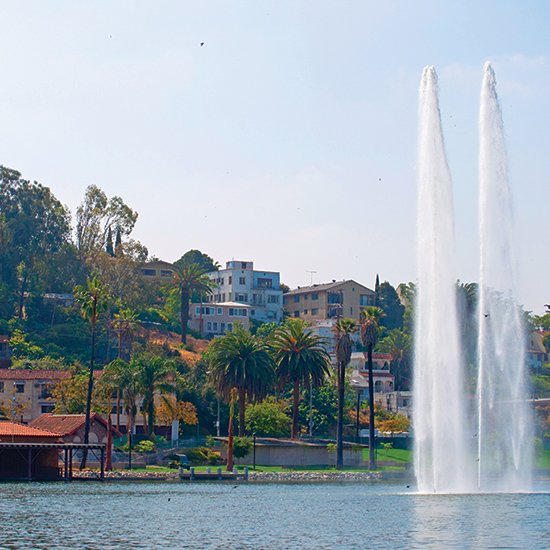 Echo Park, located about 2 miles northwest of downtown Los Angeles, is a hillside community with a unique organic design, a mixture of inner city vibrancy and quiet country lanes. The areas eclectic mix of houses range from tiny two room hunting cabins off of stairs streets, to large Craftsman and Victorian villas on wide avenues. A truly diverse neighborhood exemplified in its large Latino, Asian, and Bohemian communities.