
Silver Lake
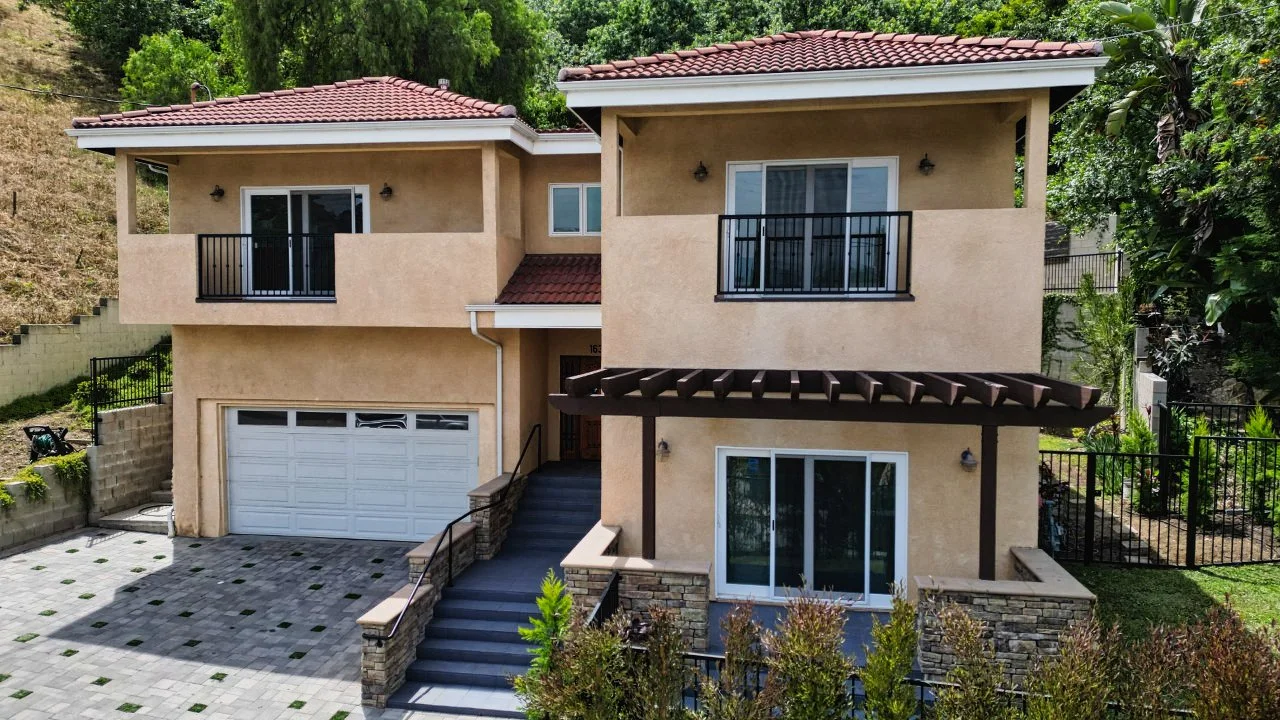
Prior to the construction of the Silver Lake reservoir by LADWP in the early 1900’s, this area 4 miles northwest of downtown, was known as Ivanhoe, a small suburban hamlet with street names taken from Sir Walter Scott’s novels of his native Scotland. The Ivanhoe School was begun here in 1888 and the street car from Los Angeles ran through the "center of town." An additional trolley known as the Ostrich Farm Railroad ran from Sunset Boulevard (then called Prospect Street) to the old Zoo, along the route we now call Griffith Park Boulevard. The area is famous for its varied architectural styles, much from the mid 1900’s by such well known architects as R. M. Schinder, John Lautner, Gregory Ain, and Dion Neutra. It is also the site for several new modern architectural projects. Silver Lake residents have been known to promote diversity and support artistic expression. The area is also known for its restaurants, spectacular downtown views, and irregular hillside roads that can make navigation difficult for non-locals. There are many pedestrian friendly locations in the area, including the Silver Lake reservoir, a dog park, Sunset Junction, and Rowena Ave.
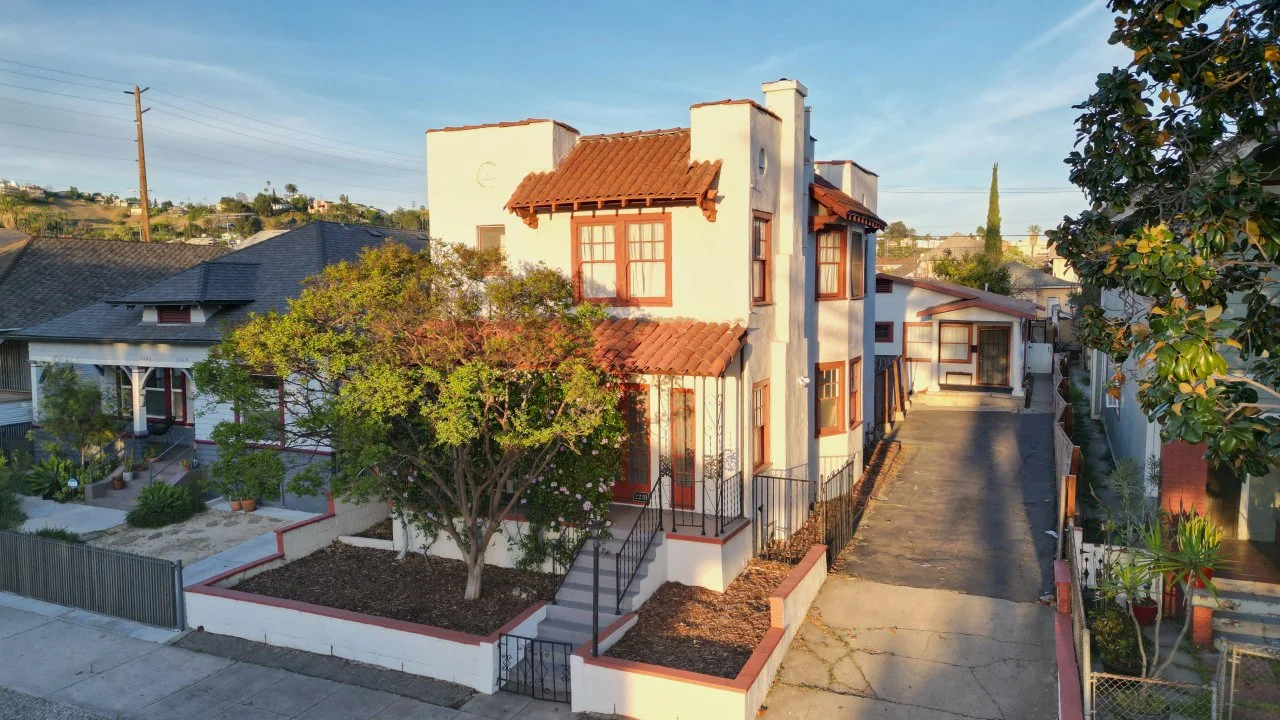
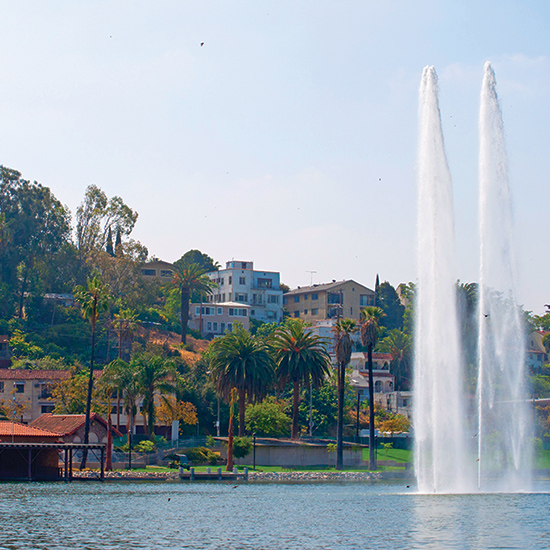 Echo Park, located about 2 miles northwest of downtown Los Angeles, is a hillside community with a unique organic design, a mixture of inner city vibrancy and quiet country lanes. The areas eclectic mix of houses range from tiny two room hunting cabins off of stairs streets, to large Craftsman and Victorian villas on wide avenues. A truly diverse neighborhood exemplified in its large Latino, Asian, and Bohemian communities.